
Published · Facts checked 25 September 2026 against the sources below
Paphos has a Mediterranean climate. Visit Cyprus describes long, dry summers from mid-May to mid-October and mild winters from December to February, and the numbers bear that out: hot, almost rainless summers, warm springs and autumns, and winters that are mild but wetter.
The figures below are the World Meteorological Organization’s averages for 1991 to 2020, measured at Paphos Airport, 9 metres above sea level on the coast. Villa Prasino is in Peyia, on a hillside above the sea at Coral Bay, so treat them as a guide to the season rather than a forecast for the villa.
| Month | High °C | Low °C | Rain mm | Sun hrs |
|---|---|---|---|---|
| JanJanuary | 17.3 | 8.6 | 89.5 | 180 |
| FebFebruary | 17.6 | 8.5 | 60.1 | 191 |
| MarMarch | 19.2 | 9.6 | 34.5 | 246 |
| AprApril | 21.8 | 11.9 | 15.2 | 278 |
| MayMay | 24.9 | 15.2 | 11.1 | 337 |
| JunJune | 28.1 | 18.5 | 1.6 | 372 |
| JulJuly | 30.4 | 21.0 | 0.2 | 382 |
| AugAugust | 31.0 | 21.7 | 0.1 | 355 |
| SepSeptember | 29.4 | 19.8 | 4.2 | 312 |
| OctOctober | 27.0 | 17.2 | 21.7 | 278 |
| NovNovember | 23.1 | 13.4 | 57.5 | 220 |
| DecDecember | 19.3 | 10.4 | 97.6 | 181 |
Across a year the airport averages 3,331 hours of sunshine and 393.3 mm of rain, almost all of it between October and April.
The seasons at a glance
- Summer (June to September): hot and dry, with average highs of 28.1 °C to 31.0 °C and hardly any rain.
- Autumn (October and November): still warm, with highs of 27.0 °C in October; the rain returns in November.
- Winter (December to February): mild, with highs of 17.3 °C to 19.3 °C, and the wettest time of year.
- Spring (March to May): warming quickly, from 19.2 °C in March to 24.9 °C in May, and drying out.
Paphos weather month by month
January
The coolest and least sunny month: an average high of 17.3 °C, a low of 8.6 °C, and about 6 hours of sunshine a day. With 89.5 mm of rain on average, it’s the second-wettest month. It’s a quiet time for sightseeing: the archaeological sites of Kato Paphos open from 08:30 to 17:00 in winter.
February
Much like January, with a high of 17.6 °C. Its average low of 8.5 °C is the lowest of the year, and the station’s coldest night between 1991 and 2020 came in February: −3.6 °C, on 5 February 1997. Rain eases to 60.1 mm.
March
Spring arrives: an average high of 19.2 °C, about 8 hours of sunshine a day and 34.5 mm of rain. The sea is still cool, at around 16–17 °C, so a pool is the better bet for a swim; at the villa, pool heating is an optional extra.
April
Warm days with an average high of 21.8 °C and nights of around 11.9 °C. Rain drops to 15.2 mm, and there are about 9 hours of sunshine a day. The season starts to open up: lifeguards are back on Coral Bay beach from April, the Aphrodite Waterpark opens for the season, and from 16 April the Kato Paphos sites stay open until 19:30.
May
An average high of 24.9 °C, only 11.1 mm of rain and 336.6 hours of sunshine. May can also bring the odd scorcher: the station’s hottest day between 1991 and 2020 was 42.5 °C, on 17 May 2020. Visit Cyprus dates the start of the long, dry summer to mid-May.
June
Summer proper: an average high of 28.1 °C, a low of 18.5 °C and just 1.6 mm of rain, with about 12 hours of sunshine a day. The sea is above 22 °C from June, and on 1 June the summer rules begin on the turtle beaches of Lara and Toxeftra: no umbrellas, sunbeds or night-time visits until the end of September.
July
The sunniest month, with 381.6 hours of sunshine, about 12 hours a day. The average high is 30.4 °C and the low 21.0 °C, and rain is almost unheard of (0.2 mm). Plan beach time for the morning or late afternoon.
August
The hottest month: an average high of 31.0 °C and warm nights, with an average low of 21.7 °C. It’s also the driest, with 0.1 mm of rain on average, and the sea is at its warmest, at about 27 °C.
September
Still summer: an average high of 29.4 °C, a low of 19.8 °C, 4.2 mm of rain and about 10 hours of sunshine a day. The sea stays warm long after the summer holidays end.
October
Warm and mostly dry, with an average high of 27.0 °C and 21.7 mm of rain. There are still about 9 hours of sunshine a day, lifeguards are on duty at Coral Bay until the end of the month, and Visit Cyprus dates the end of the dry season to mid-October.
November
Mild, with an average high of 23.1 °C and a low of 13.4 °C, but wetter: 57.5 mm of rain on average. The sea is still warm, above 22 °C, though the beaches’ lifeguard season has ended.
December
The wettest month, with 97.6 mm of rain on average, but mild: an average high of 19.3 °C and a low of 10.4 °C, with about 6 hours of sunshine a day. The station’s wettest single day in 1991–2020 was in December too: 100.8 mm on 4 December 2018. Visit Cyprus notes that snow usually arrives on the Troodos Mountains before Christmas.
How warm is the sea?
Visit Cyprus gives these sea temperatures for Cyprus:
- January to March: about 16–17 °C.
- June to November: above 22 °C.
- August: about 27 °C, the warmest of the year.
In summer, it adds, the sea breeze keeps the coast pleasant.
Winter rain and the Akamas gorges
Heavy winter rain can make the Akamas’s gorges dangerous. On 25 March 2026, firefighters from Peyia rescued 31 hikers trapped by rising water in the Avakas Gorge, which the Department of Forests had closed in December 2025; it was still closed in the latest report we found, from May 2026. After heavy rain, keep out of gorges and dry riverbeds, and check the Department of Forests’ notices before any walk.
Humidity
Being on the coast, Paphos is fairly humid all year. Relative humidity at the airport averages 70% over the year, from 65% in November to 74% in July and August. The villa has air conditioning throughout.
When is the best time to visit Paphos?
It depends on what you’re coming for:
- Beach and swimming: June to October. The sea is above 22 °C from June, and June to September are almost dry. July and August are the hottest months, with average highs of 30.4 °C and 31.0 °C.
- Walking and sightseeing: spring and autumn. Average highs run from 19.2 °C in March to 24.9 °C in May, and from 27.0 °C in October to 23.1 °C in November.
- Winter sun: December to February, with mild highs of 17.3 °C to 19.3 °C and about six hours of sunshine a day, though it’s also the rainiest time of year.
For ideas whatever the month, see things to do in Coral Bay and the best beaches near Coral Bay. Whenever you come, check availability and rates for your dates.
What to pack
- Summer: light clothes, sunhats and plenty of sun cream. In June and July the sun shines for about twelve hours a day.
- Spring and autumn: light layers, plus something warmer for the evenings, when the average low is 9.6 °C in March and 13.4 °C in November.
- Winter: a warm layer and a waterproof: December and January are the wettest months.
Staying at the villa, whatever the weather
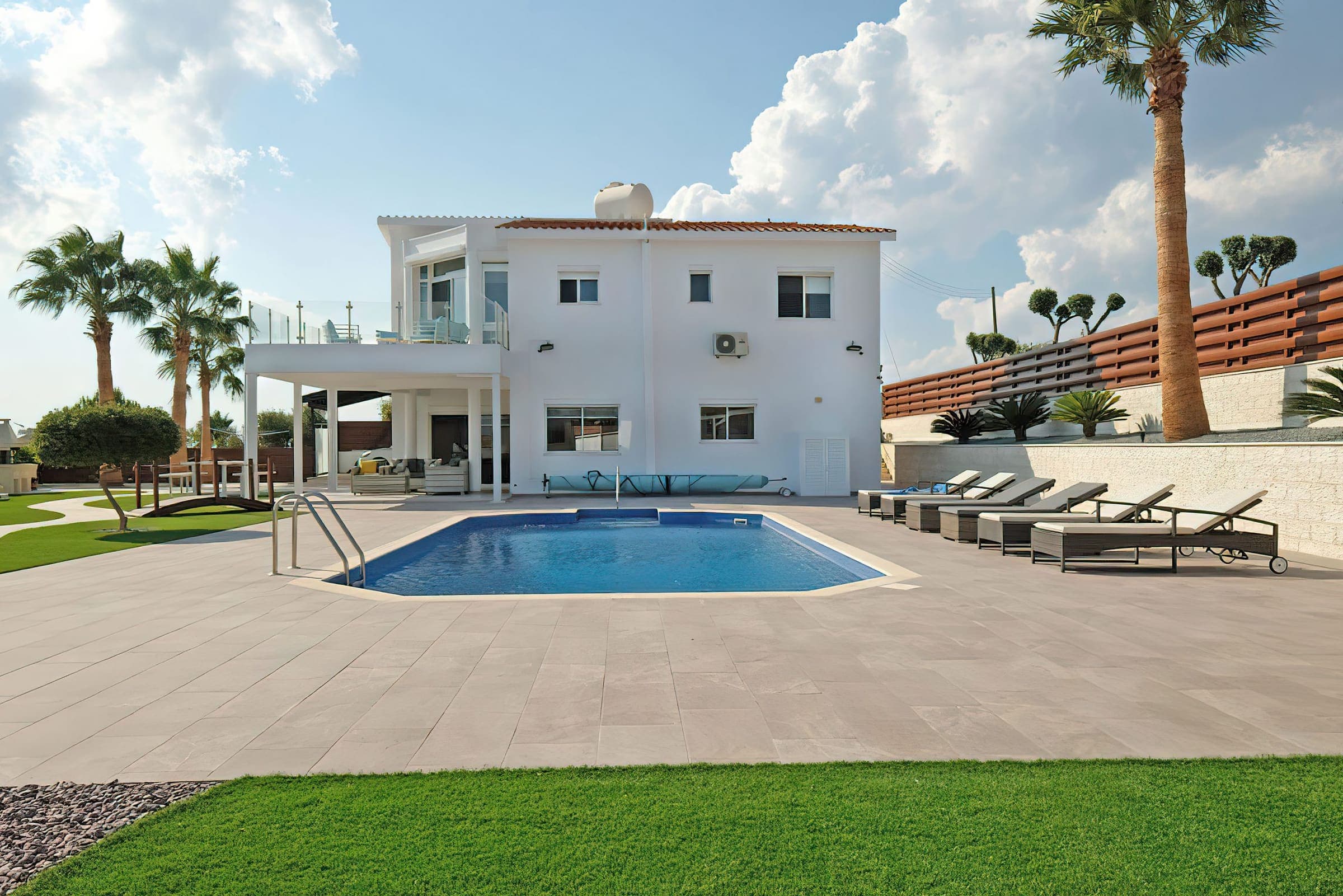
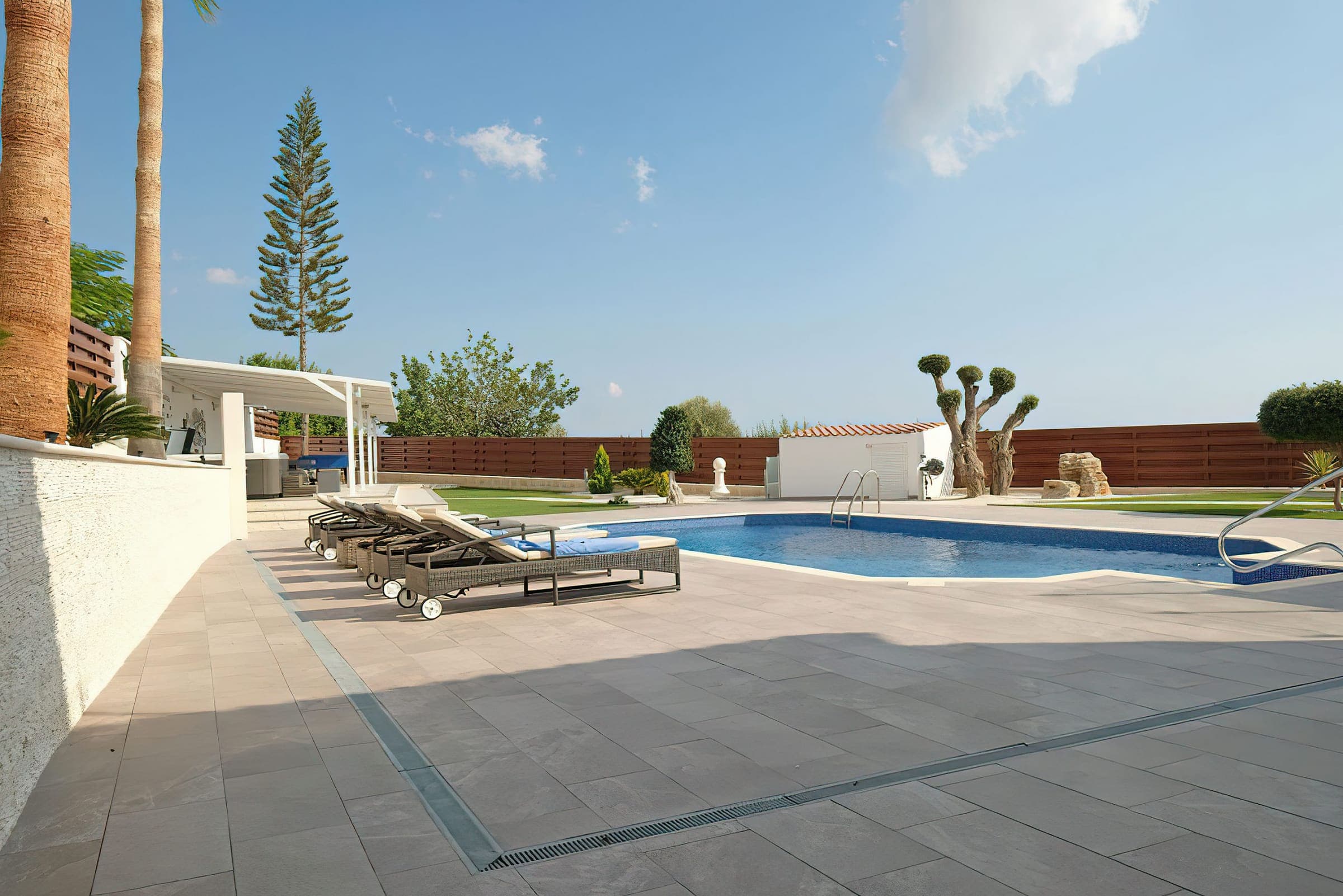
In summer the villa has air conditioning throughout, covered outdoor dining in the shade, and a 6 × 12 m diving pool and hot tub for your group alone. In the cooler months, pool heating is available as an optional extra, and the hot tub and the seating around the fire pit come into their own. And on the odd wet day, the covered games area, with its pool table, table tennis, table football and darts, plus four smart TVs and free WiFi, will keep everyone busy until the sun comes back.

See our private pool and hot tub, then check availability and rates.