
Published · 6 min read · Facts checked 9 October 2026 against the sources below
Cyprus is one of the easiest places in Europe for a British visitor to find their feet. The plugs match the ones at home, English is widely spoken, you drive on the left and the tap water is safe. A few things are different, though: the clocks, the midday heat, the summer siesta and a calendar of Orthodox holidays that can move by weeks from one year to the next.
These are the practical Cyprus travel tips we'd give a friend flying out to Coral Bay in Paphos.
What plug does Cyprus use?
Cyprus uses the type G plug, the same three-pin, square-pin plug as the UK. The sockets are UK-style and the mains supply is 240 volts, so your phone charger, hairdryer and laptop lead from home plug straight in. You don't need an adaptor.
If you're travelling from elsewhere in Europe with two-pin plugs, pack a type G adaptor. Visitors from North America will need an adaptor too, and should check that each device is dual voltage before plugging it in.
| What you're bringing | Do you need an adaptor? |
|---|---|
| UK three-pin plugs | No |
| European two-pin plugs | Yes, a type G adaptor |
| US or Canadian plugs | Yes, and check the device voltage |
| USB chargers rated 100–240 V | Only the type G plug, if needed |
A multi-way extension lead from home is still handy if several people are charging phones at once.
Time zone and daylight
Cyprus time is GMT+2. The island changes its clocks on the same last Sundays of March and October as the UK, so Cyprus is always two hours ahead of London, summer and winter. This year the clocks go back in both countries on 25 October 2026, and forward again on 28 March 2027.
Being further south and east also shifts the daylight. These are the sunrise and sunset times for the middle of each month, which are worth knowing when you plan a beach afternoon or a sunset dinner:
| Mid-month | Sunrise | Sunset |
|---|---|---|
| April | 06:15 | 19:20 |
| June | 05:30 | 20:00 |
| August | 06:05 | 19:35 |
| October | 06:50 | 18:15 |
| December | 06:45 | 16:35 |
Summer evenings are long but not as long as in Britain. By mid-October the sun sets at about 18:15, and earlier once the clocks go back. For what to expect from the weather month by month, see our Paphos weather guide.
What language is spoken in Cyprus?
Greek and Turkish are the official languages of Cyprus, and English is widely spoken. French, German and Russian are spoken in the tourism industry too. In the Paphos area you'll be able to order a meal, buy groceries, hire a car and ask for directions in English.
A few words of Greek are still welcome. Kalimera (good morning), efharisto (thank you) and yia sas (hello, to more than one person or politely) go a long way in a village shop or taverna.
Driving on the left
Cyprus drives on the left, which makes it simpler for UK drivers than most of Europe. You can drive in Cyprus on a UK photocard licence. The main rules are:
- Speed limits: 100 km/h on motorways (with a minimum of 65 km/h), 80 km/h on other roads and 50 km/h in built-up areas, unless signs say otherwise.
- Seat belts in the front and the back, and proper child restraints.
- Phones hands-free only.
- Alcohol: a limit of 22 micrograms per 100 ml of breath. The simplest rule is not to drink at all if you're driving.
Drivers are also advised to wear sunglasses, which is good advice when the sun is low in the afternoon. Our guide to driving in Cyprus covers hire cars, petrol and parking.
Can you drink the tap water in Cyprus?
Yes. Food and drinking water on the island are of high quality and safe. In 2023 the health minister said that tap water was already drinkable and that bottled water is not safer. In January 2026, after some residents complained about a smell, the Paphos district governor described the area's water as top quality and absolutely suitable for consumption, adding that tests had shown no change.
Most of the island's drinking water now comes from desalination plants: about 80% in mid-2026, a share expected to be close to all of it in 2027. It can taste different from what you're used to, and plenty of visitors buy bottled water for that reason alone. Fill a refillable bottle and carry it, because you'll drink far more than at home.
Cyprus is short of water, so the authorities ask everyone to use it carefully. Short showers and a full dishwasher help.
Sun, heat and mosquitoes
The sun is the thing most likely to spoil a holiday in Cyprus. On the coast, Paphos is often cooler than inland Nicosia: during the July 2026 heatwave, Nicosia reached 41C while Paphos peaked at 32C. That is still hot, and the sun is strong from spring to autumn.
- Plan walks and sightseeing for the morning or the late afternoon, and keep the middle of the day for shade, the pool or a long lunch.
- Wear a hat and high-factor sun cream, and reapply after swimming.
- Drink water steadily through the day, not just when you're thirsty.
- Watch for heat warnings. The Department of Meteorology issues them in hot spells.
For more on heat, wildfires and sea safety, see our guide to whether Cyprus is safe. No vaccinations are required to visit, and the emergency number is 112.
Churches and monasteries
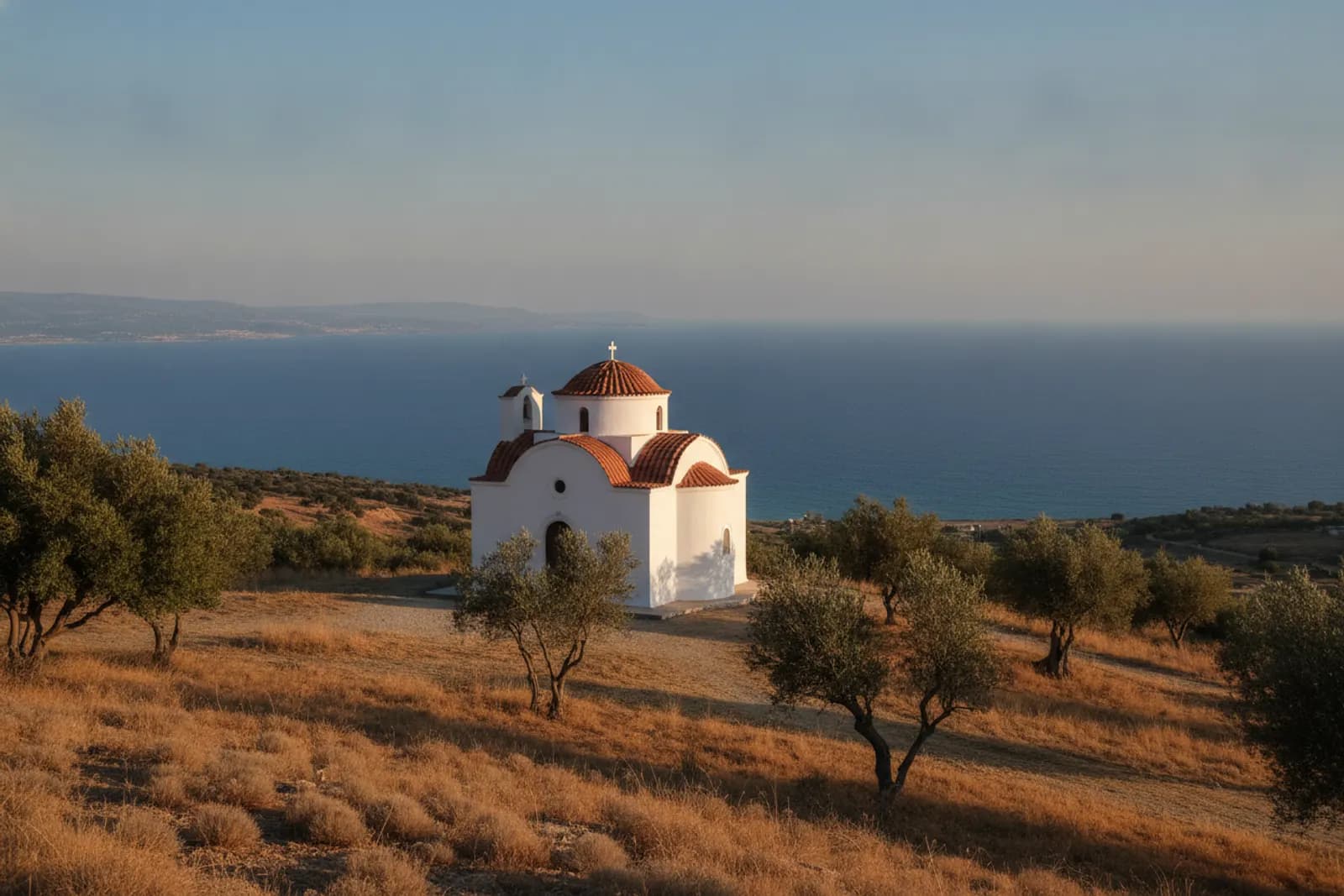
Most Greek Cypriots are Greek Orthodox, and churches and monasteries are working places of worship, not just sights. Dress properly when you go in, which means nothing overly casual. Swimwear and beach clothes are best left in the car, and a light layer in your day bag makes it easy to cover up.
Ask before you take photographs inside, and keep your voice down if a service is going on.
Opening hours, siesta and public holidays
Shops generally open from 07:00 to 21:00, Monday to Saturday, give or take an hour or two. On Sundays they open later, usually around 11:00. Some shops still close on Wednesday and Saturday afternoons, but in tourist areas shops and supermarkets tend to stay open late and on Sundays.
From 15 June to 31 August there is an optional three-hour break from 14:00 to 17:00, the siesta. Not every shop takes it, but it's worth knowing before you set out on an afternoon errand. Office hours also shift in summer, to 08:00–13:00 and 16:00–19:00 from June to mid-September.
Mealtimes are a little later than at home: lunch is served from 12:00 to 15:00 and dinner from 19:00 until late.
Public holidays
On public holidays, government offices, banks and most shops close, though many shops and services stay open in the resorts and coastal areas. Banks also close on Easter Tuesday.
| Holiday | Date |
|---|---|
| New Year's Day | 1 January |
| Epiphany | 6 January |
| Green Monday | 23 February 2026, 15 March 2027 |
| Greek National Day | 25 March |
| National Anniversary Day | 1 April |
| Orthodox Good Friday | 10 April 2026, 30 April 2027 |
| Orthodox Easter Monday | 13 April 2026, 3 May 2027 |
| Labour Day | 1 May |
| Kataklysmos (Pentecost) | 1 June 2026, 21 June 2027 |
| Assumption | 15 August |
| Cyprus Independence Day | 1 October |
| Greek National Anniversary Day | 28 October |
| Christmas Eve, Christmas, Boxing Day | 24, 25 and 26 December |
Orthodox Easter often falls on a different weekend from Easter in the UK. In 2027 it is on 2 May, five weeks after Western Easter, so check the date if you're booking around school holidays. Our guide to Easter in Cyprus explains what happens each day and what closes. For paying in shops and tavernas, see our guide to the Cyprus currency.
Where to stay
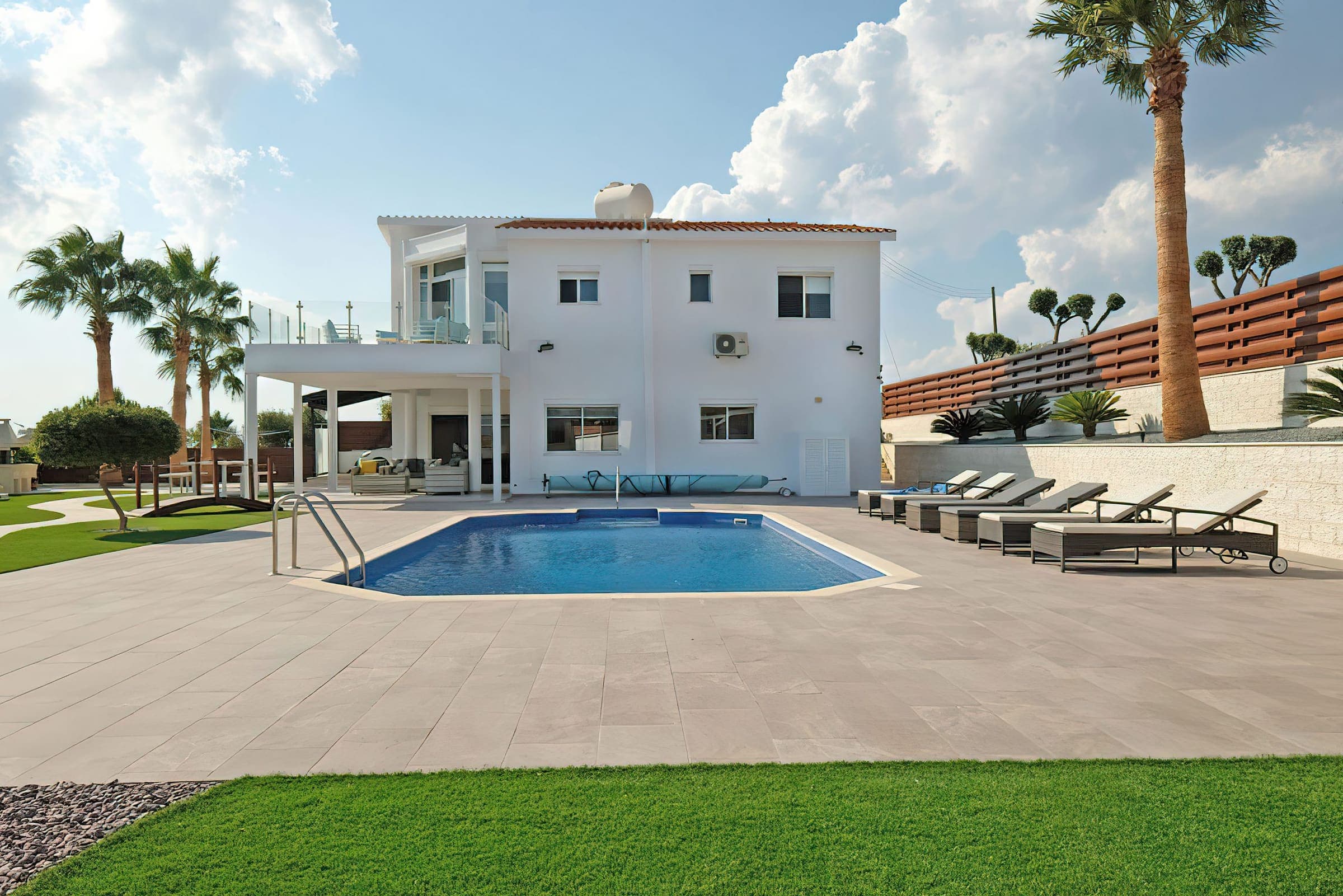
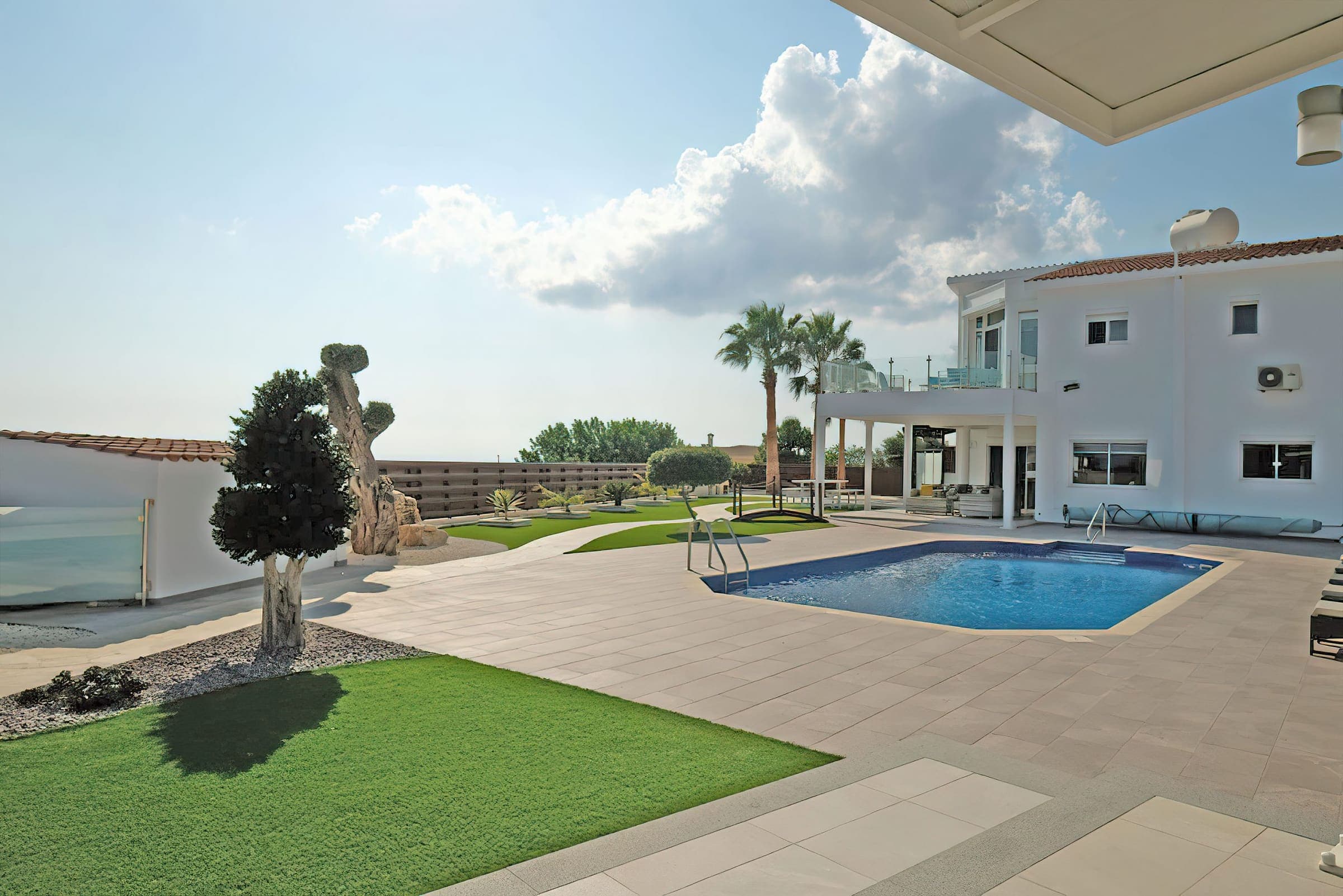
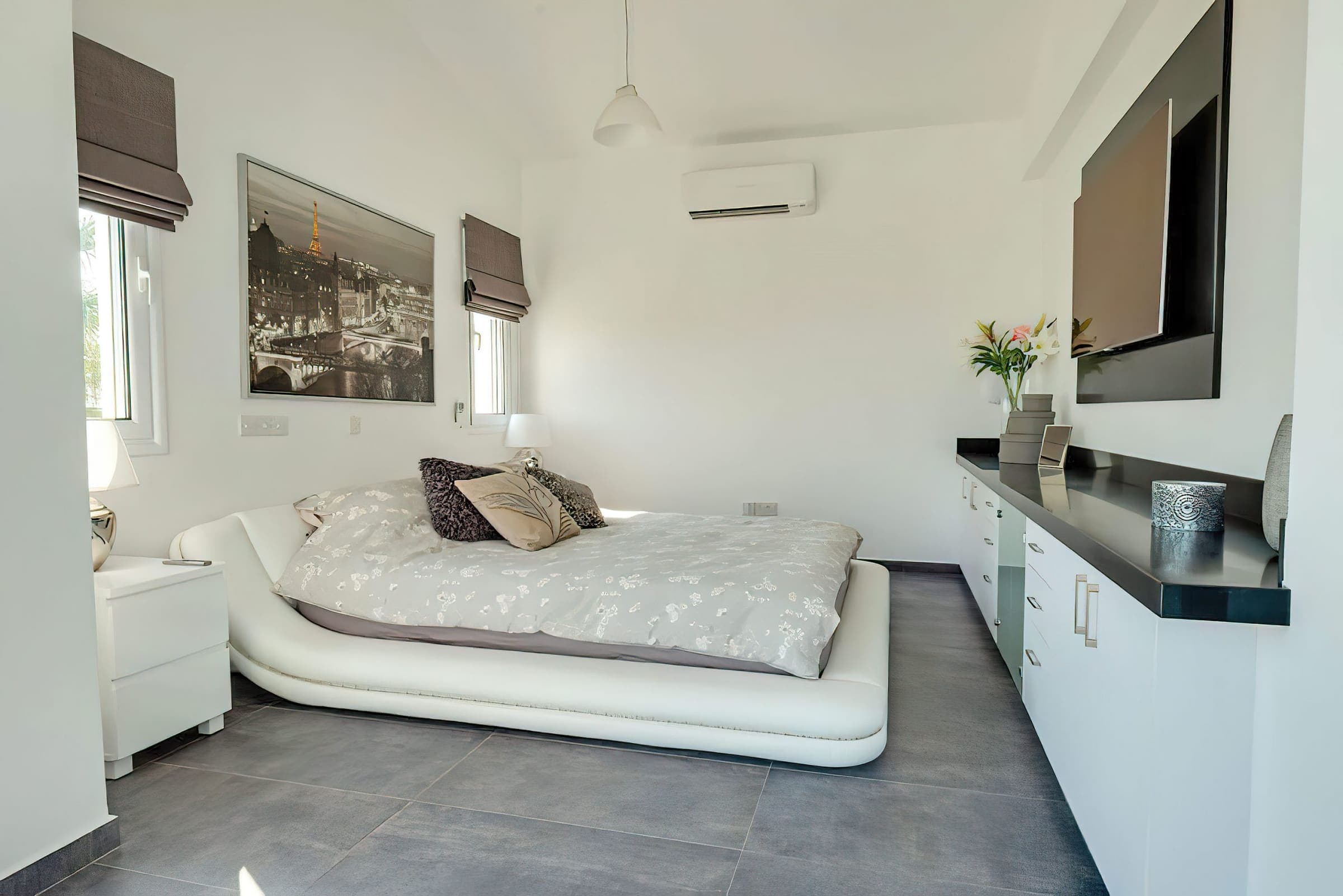
Villa Prasino is a private villa in Peyia, above Coral Bay, for up to 6 guests in 3 bedrooms. It's set up for the practical side of a holiday: WiFi, air conditioning throughout for hot nights, a fully equipped kitchen for when the shops close, and a 6 × 12 m private pool to retreat to at midday. Coral Bay beach is 5 km away, and the Sea Caves 2 km.
Read more about the villa, check availability and rates, and when you have dates, send a booking request and we'll come back to you within 24 hours.